

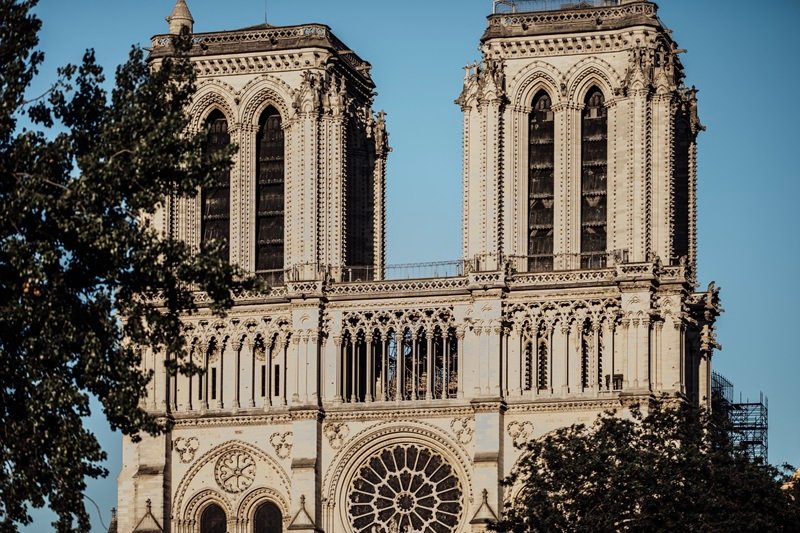
Rising From the Ashes: Notre Dame Cathedral Reopens
Published on December 12th, 2024
In April 2019, a devastating fire swept through one of the most iconic landmarks in the world—Notre Dame Cathedral in Paris. The fire caused immense damage, threatening the structural integrity and historical significance of the cathedral. However, after years of hard work, dedication, and restoration efforts, Notre Dame has risen from the ashes. In this article, we explore the journey of Notre Dame’s restoration, the challenges faced along the way, and the significance of its reopening to the world.
The Destruction of Notre Dame Cathedral
On the night of April 15, 2019, the world watched in horror as a fire ravaged Notre Dame Cathedral.The Origins of the Fire: The fire began in the attic of the cathedral, likely due to electrical failure, and quickly spread throughout the roof and the iconic spire. The blaze destroyed much of the wooden framework and caused significant damage to the roof and the upper portions of the cathedral. The fire also endangered priceless artifacts and artwork inside, prompting an urgent response from firefighters and the city of Paris. The cathedral’s famous 93-meter spire collapsed, and large portions of the roof were reduced to ashes, leaving the structure exposed to the elements.
The Impact on Paris and the World: As one of the most visited and revered cultural landmarks in the world, the fire shook not only Parisians but people around the globe. The cathedral, which has stood for over 850 years, was a symbol of French heritage, Catholicism, and global history. Its loss was deeply felt, as it represented a significant part of world culture and an irreplaceable architectural masterpiece. The emotional response was overwhelming, with thousands of people around the world expressing their grief and solidarity with the city of Paris.
The Restoration Efforts
In the aftermath of the fire, restoration work began immediately. The French government and skilled craftsmen took on the monumental task of rebuilding the cathedral while preserving its historical integrity.The Restoration Timeline: The restoration process was estimated to take several years, with an initial goal of reopening by 2024, in time for the Paris Olympics. The first step was securing the building, followed by cleaning up debris and assessing the full extent of the damage. Some parts of the cathedral were so fragile that temporary structures had to be built to protect them during the restoration. A detailed and comprehensive assessment of the damage helped set priorities for rebuilding and restoring the site.
The Role of Experts: Restoring Notre Dame required the expertise of historians, architects, craftsmen, and artisans. The project involved painstaking work to ensure that every detail—from the stained glass windows to the sculptures—was carefully restored using traditional methods. Specialized artisans, many of whom had worked on the original structure, were called upon to recreate the intricate woodwork, stone carvings, and sculptures that made the cathedral unique. The restoration effort aimed to not only repair the damage but also return the building to its original splendor, honoring the craftsmanship of previous generations.
The Funding and Public Support: The restoration efforts received an outpouring of support, both financially and emotionally, from around the world. Donations from individuals, governments, and organizations played a critical role in funding the project. Some of the wealthiest individuals in France pledged millions of euros to support the rebuilding effort. Furthermore, crowdfunding campaigns and global appeals showed just how much the cathedral meant to people worldwide, leading to a sense of collective ownership and responsibility in bringing it back to life.
Challenges Along the Way
Restoring a monument of such significance comes with countless challenges, both technical and emotional.The Complexity of the Restoration: Many elements of the cathedral, such as the wood used in the original construction, had to be replaced with materials that matched the historical design while adhering to modern safety standards. This required sourcing rare materials and using methods that had been passed down through generations. The restoration team also had to deal with the challenge of reconstructing the iconic spire, which was designed in the mid-19th century by architect Eugène Viollet-le-Duc. The original craftsmanship was intricate, and the team had to ensure that the new spire remained faithful to Viollet-le-Duc’s vision while meeting modern engineering requirements.
COVID-19 Impact: The global pandemic brought additional delays, as lockdowns and health protocols slowed down the progress of restoration. Despite this, the team continued working under strict safety measures to ensure the project moved forward. The workforce had to be reduced to comply with social distancing guidelines, but they adapted and found ways to continue with the restoration remotely or in smaller teams. The pandemic also affected the global supply chain, making the acquisition of materials more challenging, which further delayed the timeline.
The Reopening of Notre Dame
In 2024, after more than five years of restoration work, Notre Dame Cathedral is finally set to reopen its doors to the public.The Grand Reopening: The reopening of Notre Dame is a momentous occasion, not only for Paris and France but for the entire world. The cathedral will once again serve as a center for worship, tourism, and cultural heritage. The grand reopening will include a series of events and celebrations to mark the completion of the restoration and the return of one of the world’s most beloved monuments to its rightful place. The reopening is also expected to attract millions of visitors, drawing tourists who have been eagerly awaiting the opportunity to experience Notre Dame’s renewed grandeur.
The Future of Notre Dame: With the restoration complete, Notre Dame will continue to serve as a symbol of resilience, history, and cultural heritage. The work done to restore the cathedral has ensured that it will remain a part of human history for generations to come. Moving forward, Notre Dame will continue to be a place of spiritual significance, a monument to human creativity, and a beacon of hope. The careful and thoughtful restoration ensures that future generations will be able to experience the cathedral in its full splendor, just as it has been appreciated for centuries.


