
2nd-Degree Burns: Pictures, Treatment, Healing Stages
Published on December 15th, 2024
Introduction
A second-degree burn, also known as a partial-thickness burn, is a more serious type of burn that affects both the outer layer (epidermis) and the underlying layer (dermis) of the skin. These burns can result from exposure to hot liquids, steam, fire, or even prolonged exposure to the sun. Unlike first-degree burns, second-degree burns are more painful and can cause blisters, swelling, and severe discomfort. Prompt and appropriate treatment is crucial to reduce the risk of complications and promote healing. In this article, we will discuss the signs, treatment options, and healing stages of second-degree burns, as well as what to do if you or someone you know experiences this type of injury.
1. Understanding 2nd-Degree Burns: Symptoms and Causes
A second-degree burn occurs when both the epidermis and dermis are damaged, leading to intense pain, swelling, and the formation of blisters. These burns are typically caused by direct contact with hot objects or substances, such as boiling water, flames, or chemicals. Symptoms often include:
- Redness: The skin appears bright red or splotchy.
- Pain: These burns can be extremely painful due to the damage to nerve endings in the skin.
- Blisters: Fluid-filled blisters form as a result of skin damage.
- Swelling: The affected area may become swollen as a reaction to the injury.
In some cases, second-degree burns may also cause scarring or discoloration, particularly if they are not properly treated. Immediate care is necessary to avoid infection and minimize long-term effects.
2. Treatment of 2nd-Degree Burns
Immediate and appropriate treatment is essential to promote healing and prevent infection in second-degree burns. Below are steps to treat second-degree burns effectively:
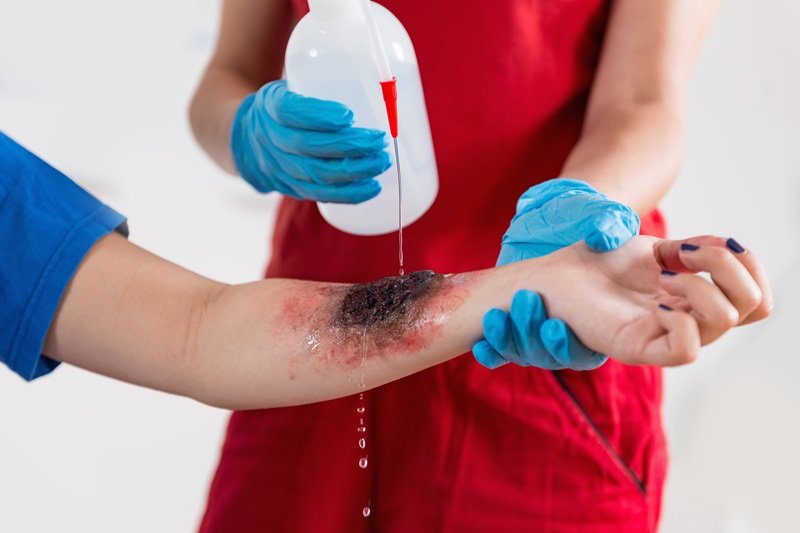
- Cool the Burn Area: As soon as the burn occurs, cool the affected area by running it under cool (not cold) water for 10–20 minutes. This helps reduce heat, soothe the skin, and prevent the burn from worsening.
- Clean the Burn: Gently clean the burn with mild soap and water. Avoid using harsh chemicals or scrubbing the area, as this can cause additional damage.
- Cover the Burn: Apply a sterile, non-stick bandage to the burn to protect it from infection and keep it clean. Do not pop any blisters that form, as they act as a natural barrier against infection.
- Pain Relief: Over-the-counter pain relievers such as ibuprofen or acetaminophen can help reduce pain and inflammation.
- Hydrate: Burn injuries can lead to dehydration, so it’s important to drink plenty of fluids to help with the healing process.
- Seek Medical Attention: If the burn is extensive, affects the face, hands, or genitals, or shows signs of infection, seek medical attention immediately.
3. The Healing Stages of 2nd-Degree Burns
The healing process of a second-degree burn typically takes 2–3 weeks, depending on the severity of the injury. There are several stages of healing:
Inflammatory Stage (0-2 Days): Immediately after the burn, the body responds with swelling and redness. Pain and discomfort are most intense during this stage. The body works to control inflammation and begin tissue repair.
Proliferative Stage (3-14 Days): During this stage, the body forms new tissue to replace the damaged skin. Blisters may break open, and the wound begins to heal. New skin cells start to grow from the edges of the burn area.
Maturation Stage (2-3 Weeks or Longer): The final stage involves the healing of the skin, with the burn site gradually becoming less painful and the skin returning to its normal color. However, scarring may still occur, particularly if the burn was severe. It’s important to continue protecting the area from the sun to prevent pigmentation changes.
While most second-degree burns heal without complications, there is a risk of scarring, particularly with more severe burns. Scar management, such as using silicone sheets or pressure garments, can help reduce scarring after the burn has healed.
4. When to Seek Medical Attention for 2nd-Degree Burns
In some cases, second-degree burns may require professional medical attention, especially if:
- The burn affects a large area of the body.
- The burn is on sensitive areas, such as the face, hands, feet, or genitals.
- Blisters are large, open, or show signs of infection (pus, increased redness, or warmth).
- There is severe pain or the burn does not seem to improve with home treatment.
- The patient shows signs of shock, such as dizziness, fainting, or rapid breathing.
In these situations, it’s crucial to seek emergency medical care to prevent complications and ensure the proper treatment and recovery.
Conclusion
Second-degree burns are serious injuries that require prompt attention to ensure proper healing and minimize long-term effects. Cooling the burn, cleaning it carefully, and protecting it from infection are key steps in the immediate treatment process. As the burn heals, new skin forms and the pain gradually subsides. While most second-degree burns heal within 2–3 weeks, scarring may occur, especially with more severe burns. It’s important to seek medical attention if the burn is extensive, on sensitive areas, or shows signs of infection. With the right treatment and care, most second-degree burns can heal with minimal complications, allowing the skin to recover and return to its normal function.


