
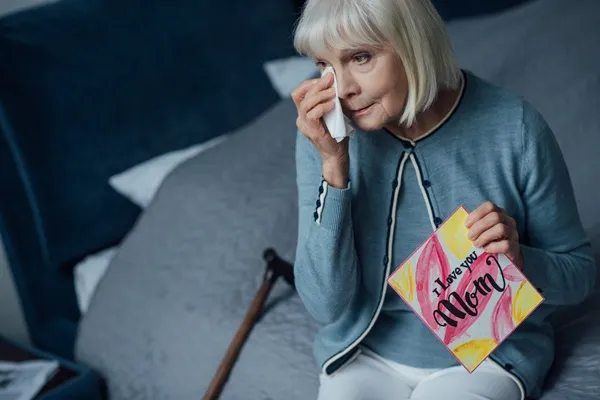
My elderly mom wanted to die. It didn’t end well.
Published on December 30th, 2024
Introduction
Caring for an elderly loved one comes with many emotional challenges, especially when they express feelings of wanting to end their life. These heartbreaking moments can leave you feeling helpless and lost, as you struggle to understand their pain and how to support them through such difficult emotions. When my elderly mom expressed a desire to die, it left me in turmoil. What followed was a difficult, painful experience that I now share in hopes of shedding light on this often overlooked aspect of aging. This article discusses my personal journey, the emotions involved, and the importance of offering the right kind of support to seniors facing this dark reality.
1. Understanding the Struggles of Aging
As we grow older, life often becomes increasingly difficult for many seniors. Physical health may decline, and emotional struggles such as depression, isolation, or a lack of purpose can take hold. My mother, like many older adults, felt the weight of these changes—both physical and emotional. She was no longer able to do the things she loved, and she began to feel disconnected from the world. This isolation, combined with the pain of aging, led her to express a desire to end her life. Understanding why seniors experience these emotions is the first step in providing support.
2. The Impact of Chronic Illness and Pain
Many elderly individuals face chronic illnesses or disabilities that severely impact their quality of life. For my mom, constant pain from arthritis and the limitations of aging had taken a toll. She often spoke about how the pain prevented her from enjoying even simple daily activities. The physical toll was only compounded by emotional pain, as she felt like a burden to her family. Understanding the interplay between chronic illness and mental health is crucial in supporting a loved one through such a dark period.
3. The Role of Mental Health in Elderly Care
It’s essential to recognize that mental health challenges, including depression and anxiety, are common among seniors. Many elderly individuals don’t receive the mental health support they need. My mom’s feelings of wanting to die were deeply intertwined with depression, but I didn’t initially understand how serious her condition was. It’s vital to approach mental health in older adults with the same urgency we would for younger people, providing therapy, counseling, and medication when needed.
4. Communication Is Key: Talking About Difficult Feelings
When my mom told me she wanted to die, my first reaction was shock and disbelief. However, I soon realized that it was important to listen and acknowledge her feelings rather than dismiss them. Open, empathetic communication can be life-changing. It’s essential to let our elderly loved ones express their feelings without judgment, allowing them to share their emotional struggles. Talking about such topics can be uncomfortable, but it’s necessary for providing the emotional support they need.
5. The Importance of Professional Help
In the aftermath of my mom’s expression of wanting to die, we sought professional help. It’s essential to involve healthcare providers when seniors experience thoughts of ending their lives. Mental health professionals can offer therapy, coping mechanisms, and even medication to help manage depression and other mental health conditions. For my mom, this support was crucial, as it helped her regain a sense of control over her emotions and thoughts.
6. The Road to Healing: Finding Hope
While it was an incredibly painful period, my mom’s journey eventually led to healing. After seeking professional help and creating a supportive environment at home, she began to regain her sense of purpose. Small moments of joy, meaningful connections with family, and a change in her daily routine all helped improve her outlook. Healing doesn’t happen overnight, but with the right help and support, it is possible.
Conclusion
When an elderly loved one expresses a desire to die, it is a call for help that should never be ignored. It’s a heartbreaking reality that many families face, but understanding the emotional, physical, and mental challenges seniors experience can guide us toward offering the right support. In my experience, the road to healing was difficult but ultimately brought hope. If you find yourself in a similar situation, remember that there is support available, and through communication, compassion, and professional help, recovery is possible. It’s important to listen, empathize, and act with care to ensure that your loved one feels heard and valued during their darkest moments.