
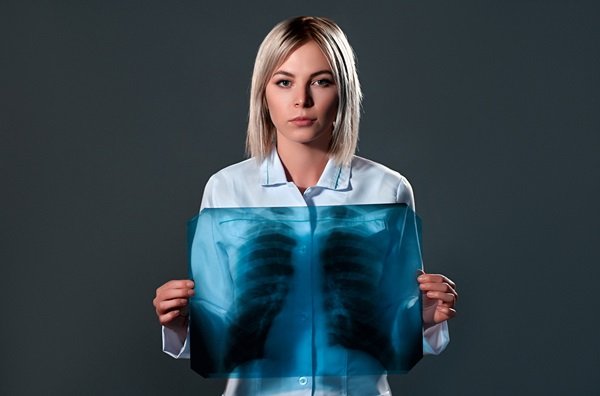
Pulmonary Angiography on Lungs: What the Imaging Shows
Published on December 27th, 2024
Introduction
Pulmonary angiography is a key diagnostic procedure used to examine the blood vessels in the lungs. Doctors commonly use it to detect pulmonary embolism (PE), a condition where a blockage prevents proper blood flow to the lungs. This imaging technique provides clear, detailed images of lung blood flow, helping healthcare providers identify blockages or other vascular issues. In this article, we will explain how pulmonary angiography works, what it reveals, and its role in diagnosing lung conditions.
1. What Is Pulmonary Angiography?
Pulmonary angiography uses contrast dye and X-ray technology to show the blood vessels in the lungs. A doctor inserts a catheter into a blood vessel, usually in the groin or arm, and guides it to the pulmonary arteries. Then, the radiologist injects the contrast dye, making the arteries visible on X-ray images. This procedure is the gold standard for diagnosing pulmonary embolism and other vascular lung conditions, offering detailed insight into blockages, clots, or abnormalities.
2. Key Conditions Pulmonary Angiography Detects
Pulmonary angiography is most commonly used to diagnose pulmonary embolism, but it can also help identify other serious conditions, including:
- Pulmonary Arteriovenous Malformations (PAVMs): Abnormal connections between the pulmonary arteries and veins.
- Pulmonary Hypertension: High blood pressure in the arteries that supply the lungs.
- Vascular Malformations: Irregular blood vessel formations that can lead to complications like bleeding.
These conditions may cause symptoms such as shortness of breath, chest pain, or coughing up blood. Pulmonary angiography provides essential information to help doctors identify the causes of these symptoms.
3. How Pulmonary Angiography Works
Pulmonary angiography typically occurs in a hospital or imaging center, where a radiologist performs the procedure. Here’s what happens:
- Preparation: The patient lies on an examination table and may receive a sedative to help them relax.
- Catheter Insertion: The doctor inserts a catheter into a blood vessel (usually the groin or arm) and guides it to the pulmonary arteries.
- Contrast Dye Injection: The radiologist injects contrast dye into the arteries, making them visible on X-ray images.
- Imaging: Real-time X-ray images help assess blood flow in the pulmonary arteries and detect any blockages or abnormalities.
The procedure usually takes 30 to 60 minutes. Most patients go home the same day but may need a short period of rest afterward.
4. Benefits of Pulmonary Angiography
Pulmonary angiography offers several key benefits that make it essential for diagnosing lung-related conditions:
- High Accuracy: Pulmonary angiography provides highly accurate images, which are crucial for diagnosing pulmonary embolism and other vascular lung conditions.
- Clear, Detailed Images: The contrast dye ensures that the blood vessels are visible, helping doctors detect even small blockages or abnormalities.
- Real-Time Visualization: The procedure allows doctors to immediately view blood flow, enabling quick diagnosis and treatment.
These benefits make pulmonary angiography critical for diagnosing serious conditions like pulmonary embolism.
5. Risks and Considerations
Although pulmonary angiography is generally safe, some risks exist:
- Allergic Reaction to Contrast Dye: Some patients may experience an allergic reaction to the contrast dye.
- Infection or Bleeding: The catheter insertion carries a small risk of infection or bleeding at the insertion site.
- Kidney Damage: The contrast dye can affect kidney function, especially in patients with pre-existing kidney issues.
Patients should discuss any health concerns with their doctor before undergoing the procedure to determine whether pulmonary angiography is the right choice.
6. Alternatives to Pulmonary Angiography
While pulmonary angiography is the most accurate method for diagnosing pulmonary embolism, other techniques may be used in certain cases:
- CT Pulmonary Angiography (CTPA): A non-invasive procedure using a CT scan to visualize the pulmonary arteries, commonly used to detect pulmonary embolism.
- Ultrasound: Ultrasound imaging detects deep vein thrombosis (DVT), a condition that can lead to pulmonary embolism.
- Ventilation-Perfusion (V/Q) Scan: A nuclear medicine test that assesses airflow and blood flow in the lungs, often used when pulmonary embolism is suspected.
Doctors may choose one of these alternatives based on the patient’s condition and available resources.
Conclusion
Pulmonary angiography plays a critical role in diagnosing conditions that affect the blood vessels of the lungs, especially pulmonary embolism. By providing real-time, clear images, it helps doctors assess blood flow and detect blockages or abnormalities. Although the procedure carries some risks, it remains the gold standard for diagnosing life-threatening lung conditions. Patients should consult their healthcare provider to determine if pulmonary angiography is the most suitable option for their needs.


